


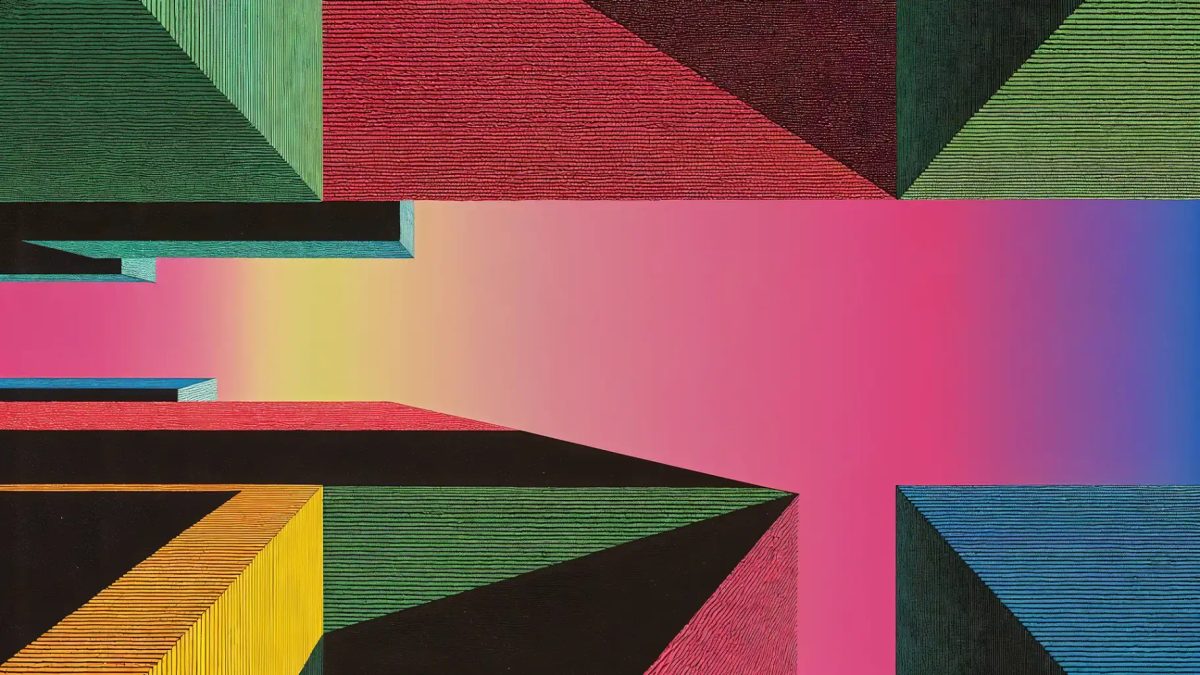
The world of visual communication is passing through a critical threshold. Digital tools now generate flawless visuals in seconds. Because of this speed, perfection is losing its former charm. Consequently, 2027 Graphic Design Trends focus on human emotions and physical textures. The core issue is no longer software selection, but the sincere story presented to the audience. Let's examine the strongest visual tendencies that will leave their mark on the upcoming year.
2027 Graphic Design Trends Are Shaped by AI Reactivity
Especially in recent years, artificial intelligence tools have radically changed visual production processes. Now anyone can create flawless designs in seconds with a single prompt. However, this easy access has led to the proliferation of generic, look-alike visuals in the digital world. Audiences are rapidly becoming desensitized to this sterile perfection produced by algorithms.
2027 Graphic Design Trends are emerging as a strong aesthetic reaction against machine production. Designers no longer glorify perfection, but the human touches that artificial intelligence cannot replicate. Margin of error, real physical textures, and sincere stories are turning into the biggest competitive advantage for brands. In short, the upcoming year initiates an era where human labor gains value in the face of digital speed.
1-Analog Design, Intentional Imperfections, and Handcrafted Aesthetics
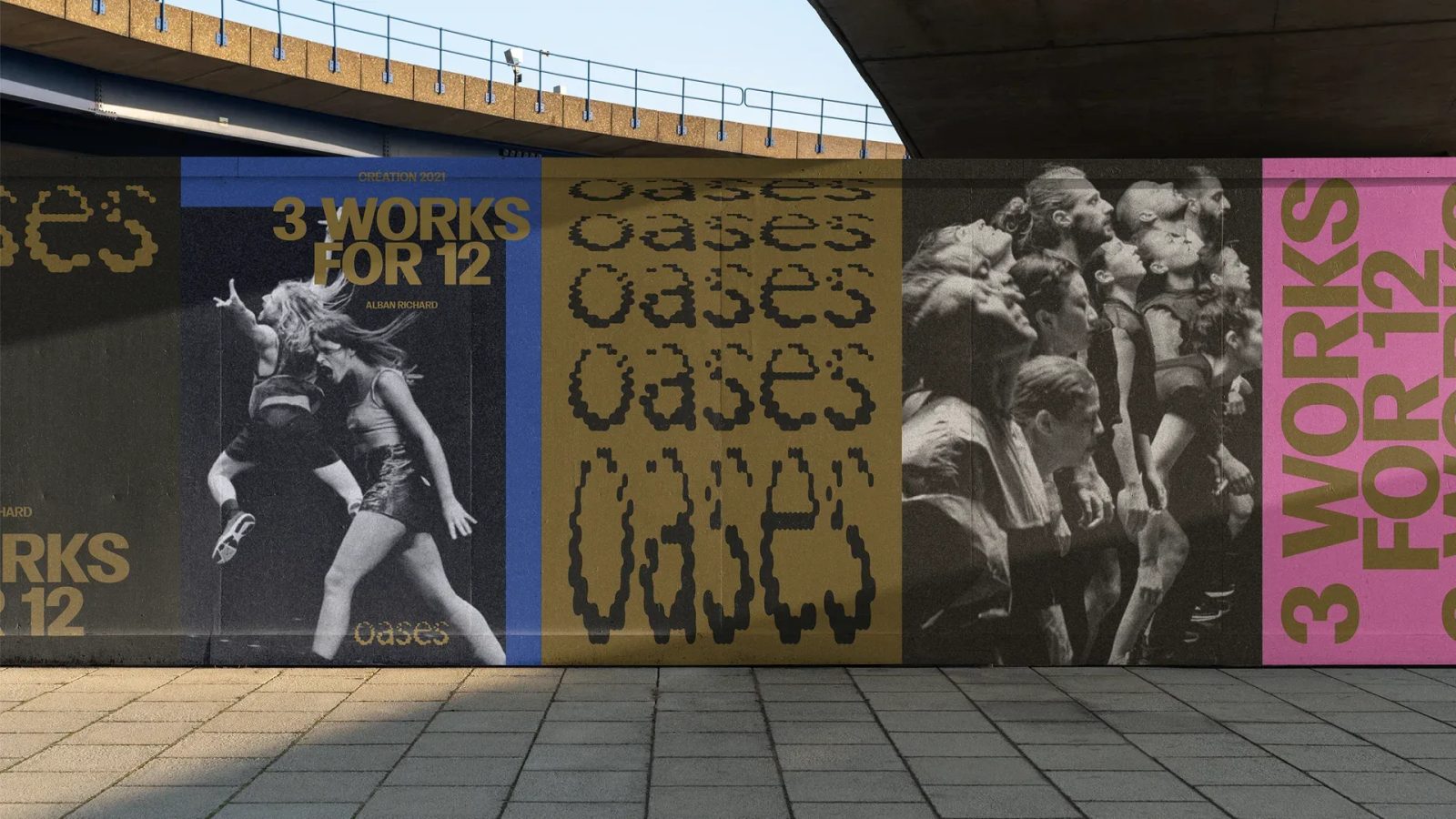
Artificial intelligence tools produce overly smooth and symmetrical visuals. Over time, this perfection creates a kind of visual fatigue in viewers. Born as a reaction to this, this approach aims to prove human effort.
In this movement, shaky lines, hand drawings, and naive illustrations stand out. Additionally, dust on scanner glass and torn paper edges are intentionally added to the design. Ink bleeds and vintage photocopy textures add character to corporate identities. In short, this trend transforms imperfections into signatures of authenticity.
2-Skeuomorphism and Tactile Design
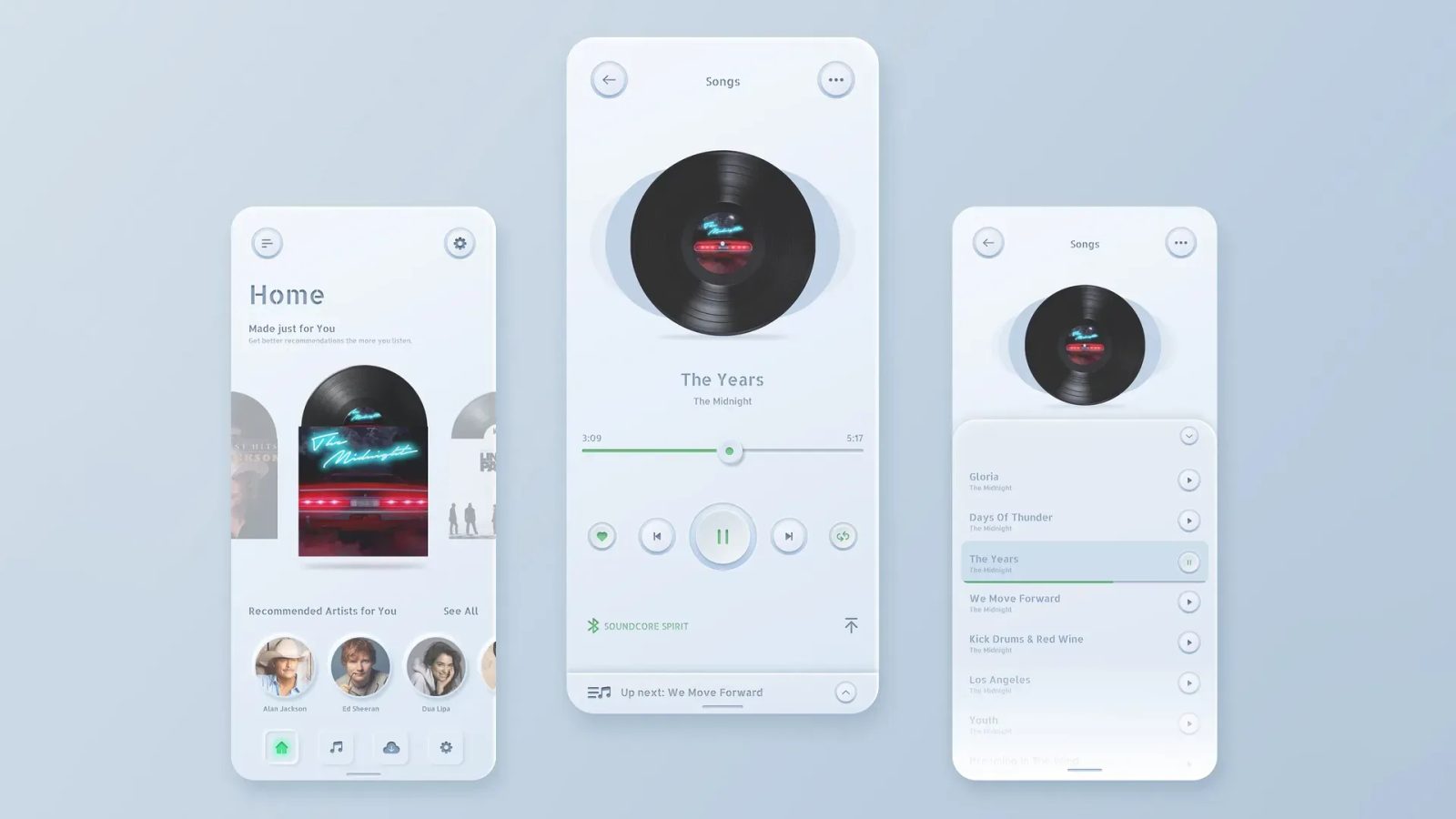
Furthermore, designers want to break the cold and slippery feel of screens. Therefore, they bring physical depth to two-dimensional surfaces. The tactile surfaces trend lets the audience experience the feel of material through their eyes.
Glossy digital effects are now being replaced by natural material textures. Raw cotton paper, linen fabric, and sandy stone textures appear frequently. Canvas and tracing paper effects add warmth to designs. The embossed feel on typographic arrangements creates an inviting atmosphere. Moreover, this tactile approach is also attracting intense interest in web interfaces.
3-Luxury Designs Quiet Down
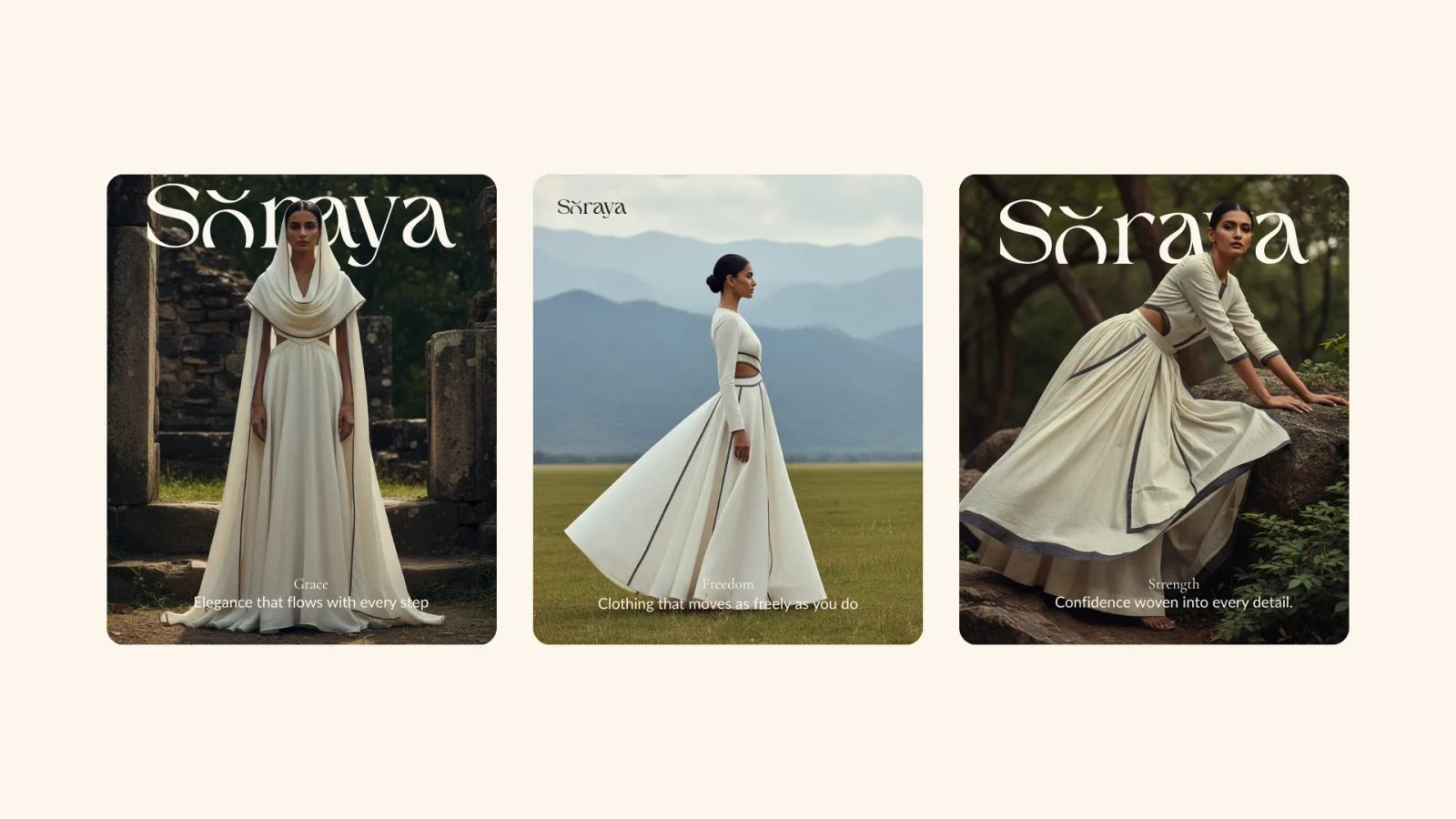
Exaggerated gold foils and flashy metallic reflections are now being left behind. The post-luxury mindset whispers quality instead of shouting wealth.
This tendency focuses on the brand's historical heritage and craftsmanship story. In fact, deep jewel tones and warm earth colors shape the visual language. Elegant thin-serif fonts and simple monograms add weight to the design. As a result, this unpretentious minimal line increases the trust conscious consumers feel toward the brand.
4-Neo-Brutalism and Structural Rebelliousness
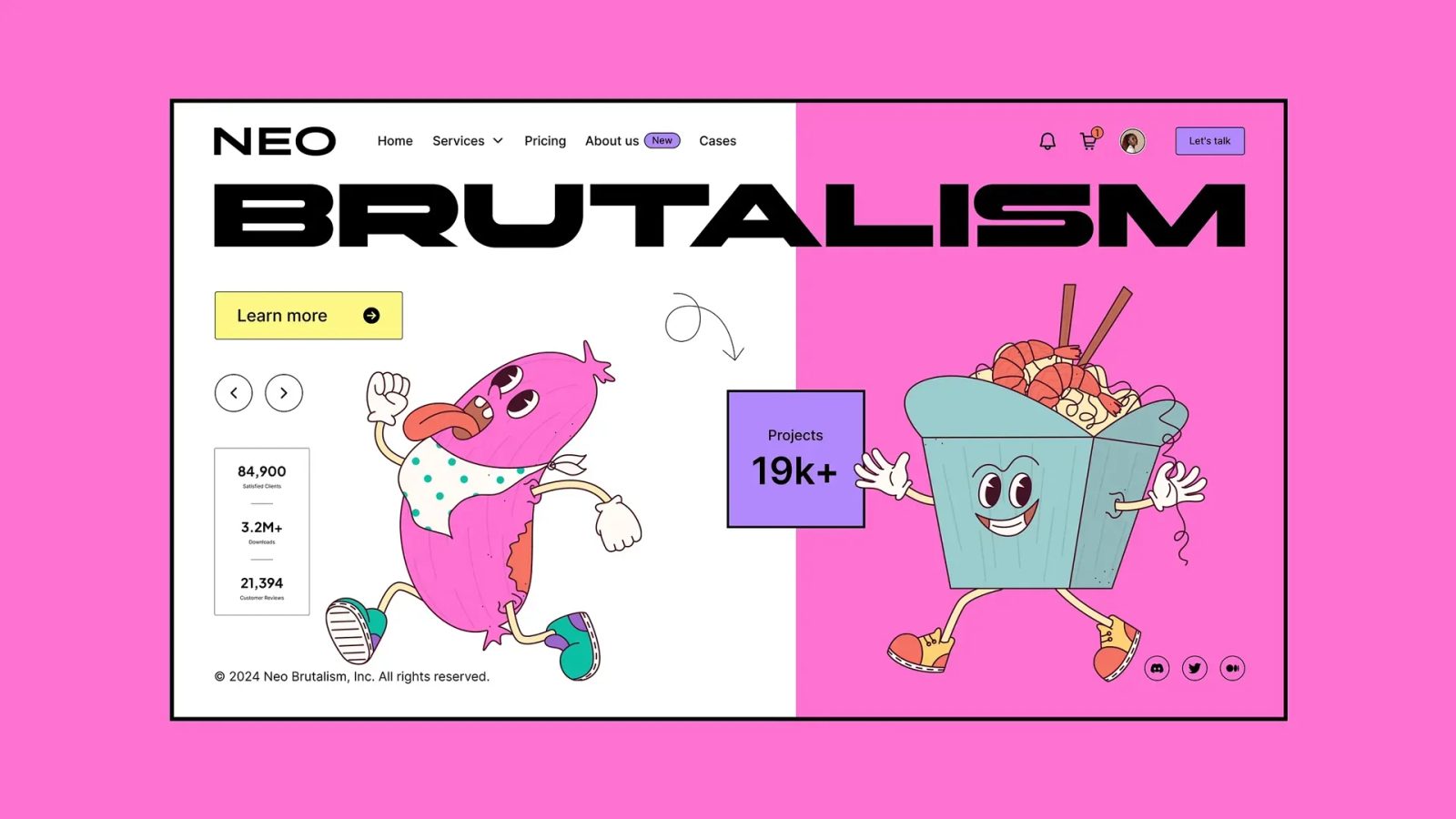
Brands bored with monotonous corporate molds are turning to the Neo-Brutalism movement. Stretching traditional rules, this style harbors a strict architectural discipline.
Visible grid lines and extra-bold typefaces catch the eye at first glance. High-contrast color blocks and raw photographs complete this language. Designers openly display structural elements rather than hiding them. Thus, brands project a bold and transparent character. Tech startups and creative projects in particular embrace this honest language.
5-Variable and Characterful Typography
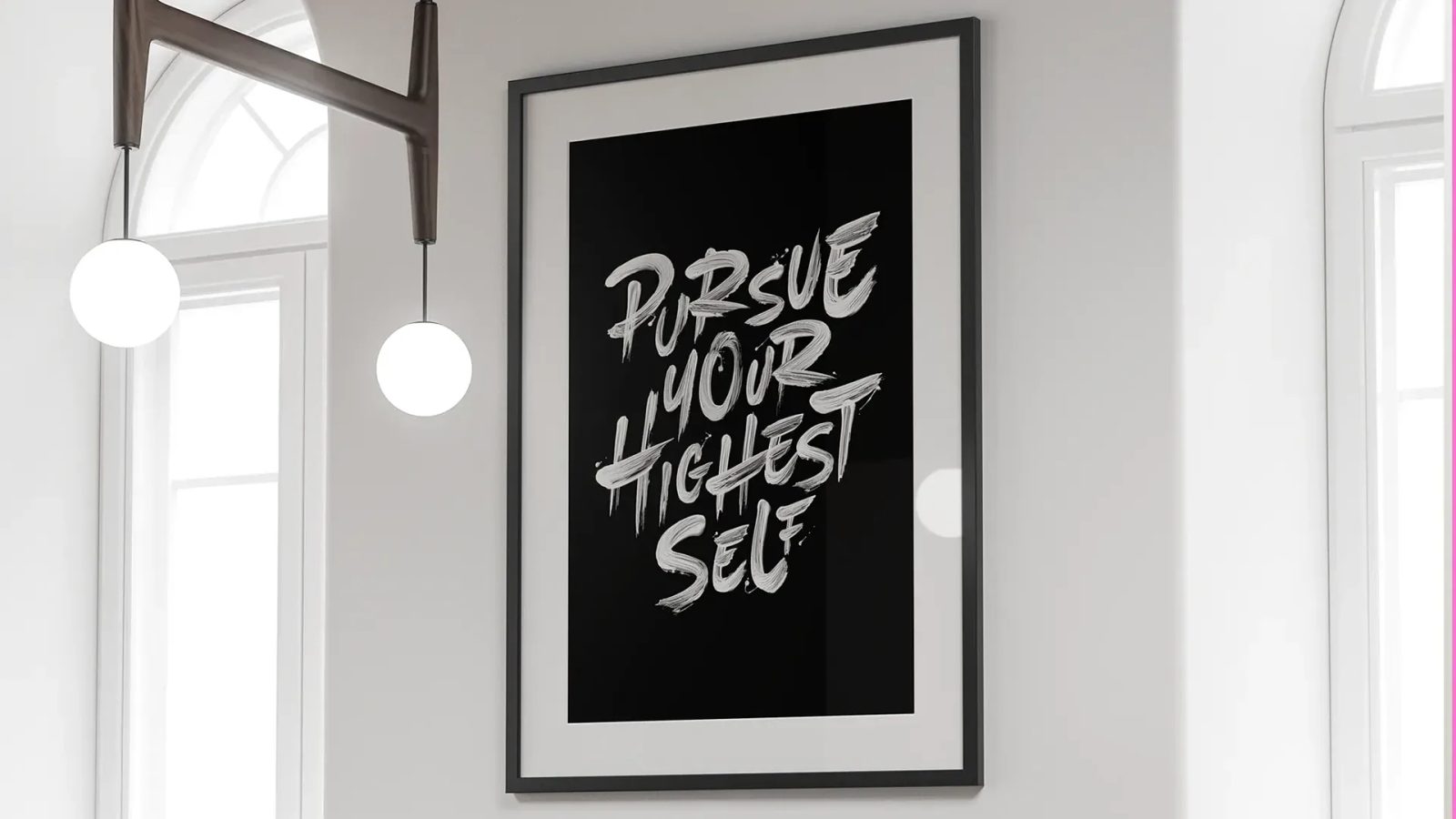
Typography is no longer just a text tool, but the leading actor of the design. Within 2027 Graphic Design Trends, typographic flexibility holds great importance. Variable fonts adapt instantly according to screen size or ambient light. We can easily change the weight and width of letters through a single file.
On the other hand, soulless typefaces quickly render brands forgettable within the framework of 2027 Graphic Design Trends. That is why designers are turning to warm humanist fonts carrying traces of handwriting. Furthermore, condensed tall letters that create a striking impact on posters also maintain their popularity. Meanwhile, the adoption of serif fonts by AI platforms has sparked a new quest. Designers are now discovering monospaced fonts with a mechanical rhythm more frequently.
If this movement caught your interest, you can check out my article titled Kinetic Typography: The Power of Motion in Graphic Design.
6-Maximalism and Eclectic Approaches
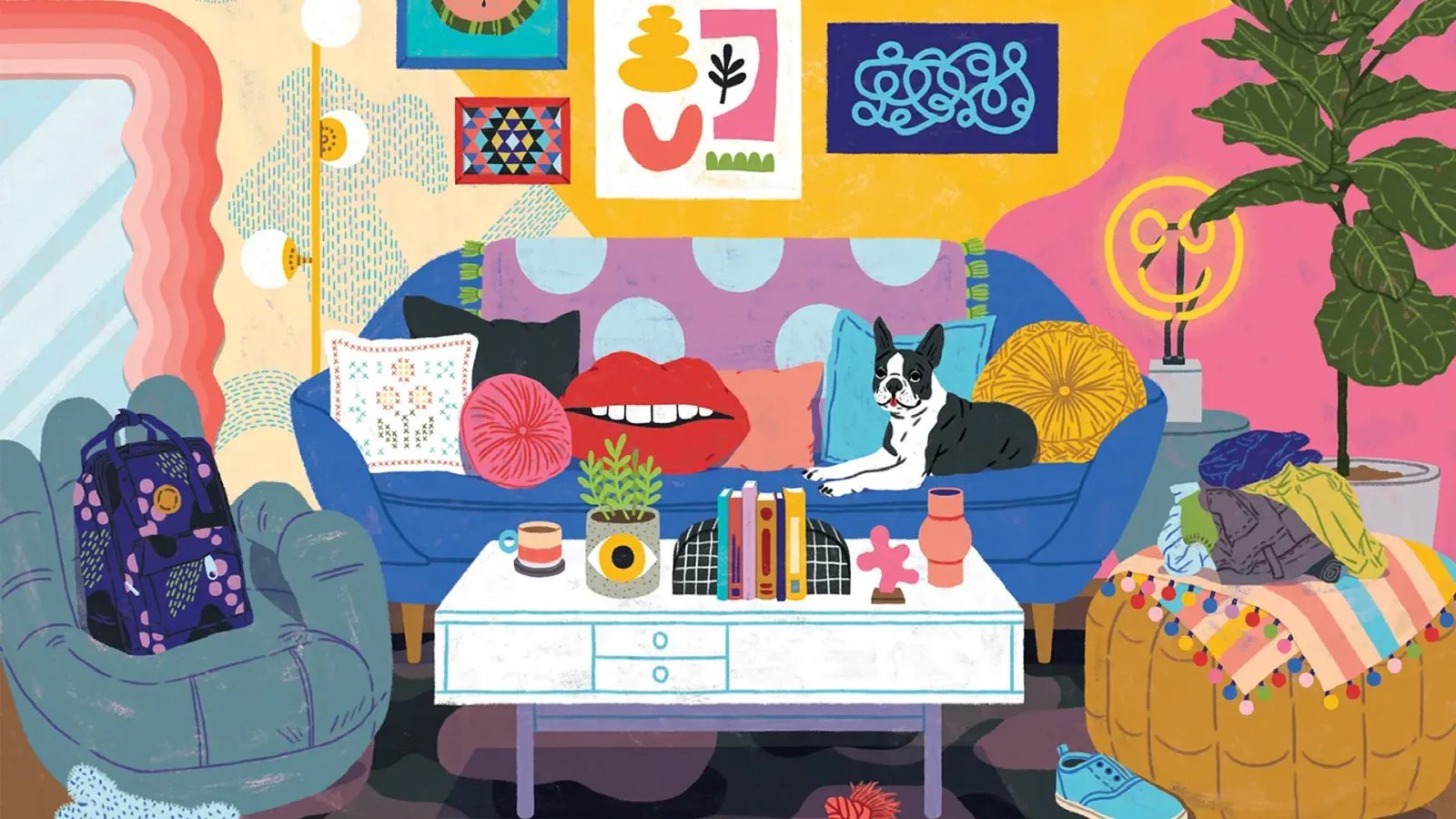
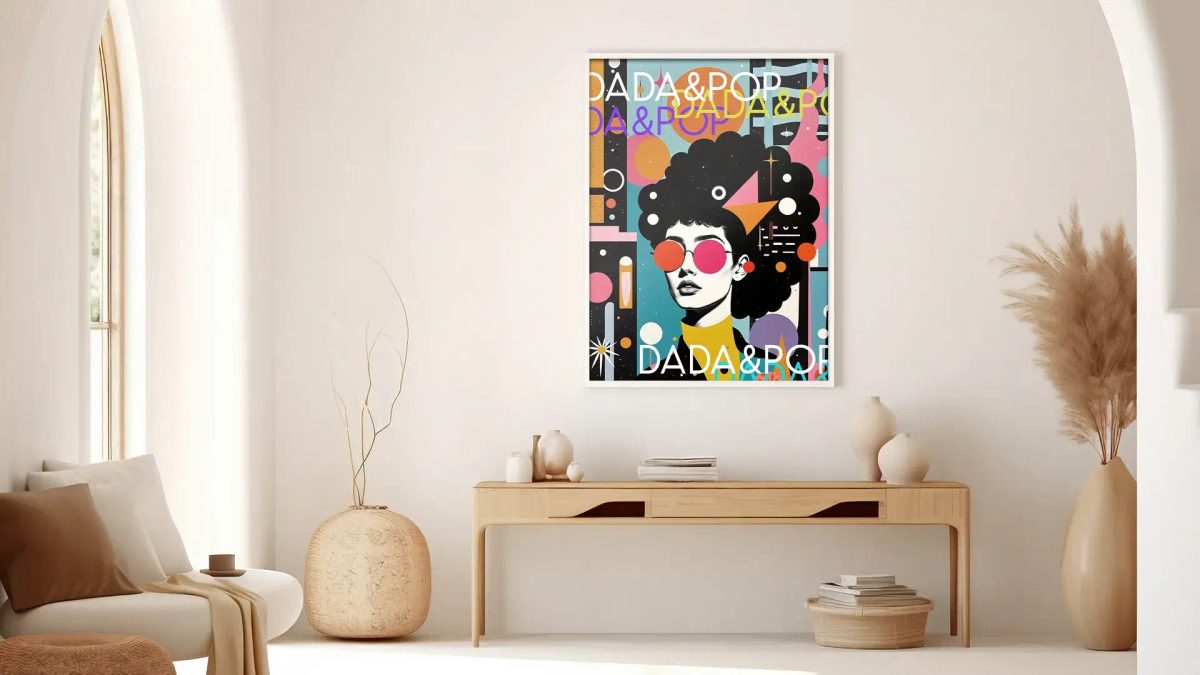
As the seriousness of everyday life increases, simple designs are giving way to bold maximalism. Rejecting the "less is more" philosophy, this movement highlights visual richness and layering. Instead of leaving white space, designers fill the surface with details, offering joy and surprise to the viewer.
Playful mascots, unusual proportions, and clashing vibrant colors form the foundation of this style. Multiple textures, exaggerated typography, and rich illustrations add high energy to the composition. In short, maximalism stands against monotonous minimalism, giving brands a bold and unforgettable voice.
7-Mixed Media and Proof of Real Process
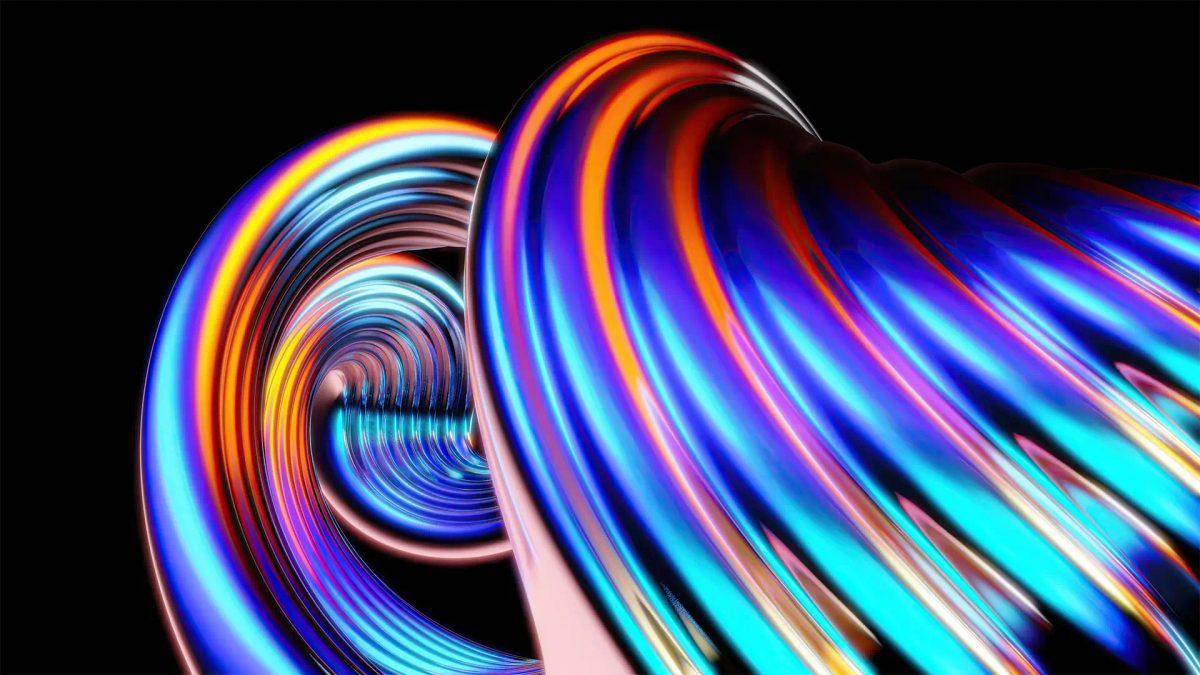
Apple's New TV Intro with no CGI
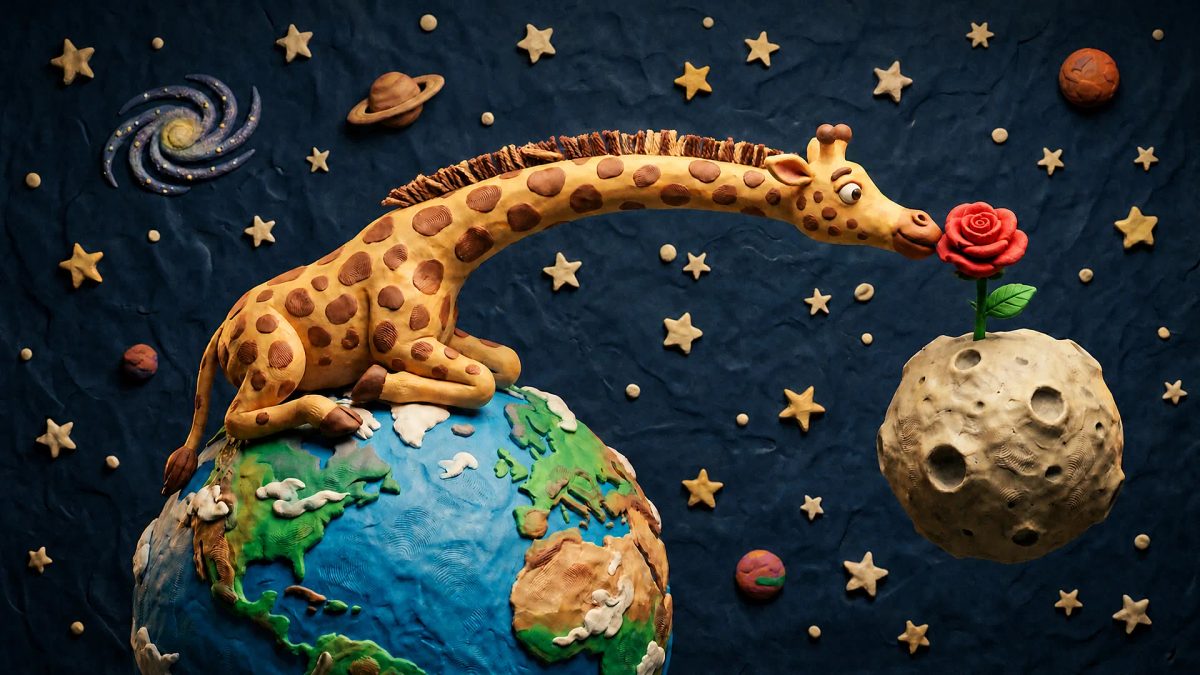
However, anyone can now easily imitate digital collages. As a result, this brings genuine mixed media works produced with physical materials to the peak. Fabric scraps, adhesive tapes, and real brushstrokes come together physically. Designers transfer these collages into the digital environment by scanning them at high resolution.
Furthermore, making the production process visible is becoming a new benchmark of value. Showing the stages of design and the physical tools used carries great importance. These details documenting human labor concretize brands' claims of authenticity.
8-Organic Design and Natural Color Palettes
The eye-straining artificial neon tones of screens are now yielding their place to nature. Designers take refuge in the healing and balancing energy of nature. While bright blues symbolize a visionary mind, sage greens instill serenity.
Warm clay color and chocolate brown accompany these calm tones. Dusty plum and earth tones establish a reassuring ground in designs. On the other hand, projects seeking dynamism animate these natural base colors with a single vibrant hue. Moreover, touches of energetic orange or vivid pink add a fresh balance to the composition.
Conclusion
In summary, 2027 Graphic Design Trends are not a wind of nostalgia rejecting technology. On the contrary, this era offers a mature vision balancing the speed of artificial intelligence with human values. Against the perfection offered by algorithms, traces of handcraft make the real difference. Intentional imperfections, tactile surfaces, and characterful typography breathe soul into brands. Successful designers of the future will use digital tools as an efficient assistant in the background. In the foreground, they will always deliver authentic experiences that touch the human soul.
Comments
Loading comments…